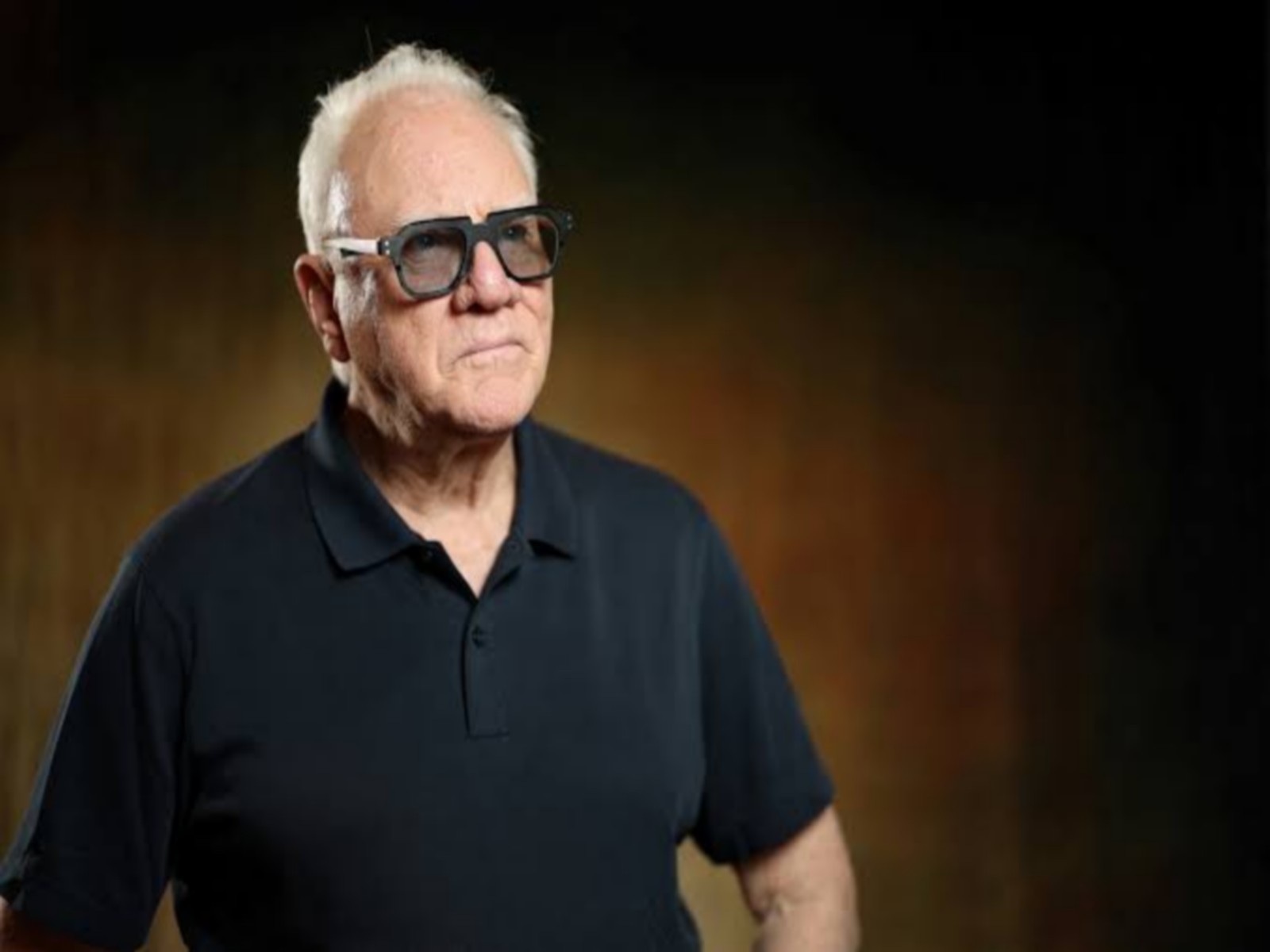
Eisenkot tasked with forming new government in Israel
Nov 09, 2026
Tel Aviv [Israel], November 9: Gadi Eisenkot, leader of the centrist party Yashar, has promised new leadership to lead Israel out of a deep crisis after President Isaac Herzog formally tasked him with forming a new government on Sunday.
The former chief of staff sees the country at one of the most dangerous points in its history and said he wants to represent all sections of society and work to ensure that Israel "reaches safe shores again and returns to mental health."
"We are in a state of emergency, approaching a point of no return for the State of Israel," the 66-year-old former military chief of staff said, calling for the formation of an emergency government - something that requires "creative and unconventional political steps."
Reaching out to all parties and their representatives, he said: "My door is open and my hand is extended."
Anyone who tries to block the formation of a government for personal reasons would go down in history as someone who "failed to save Israel in its hour of emergency," Eisenkot said, apparently referring to outgoing right-wing conservative Prime Minister Benjamin Netanyahu and his supporters.
In justifying his choice, Herzog noted Eisenkot's years of military experience and loss. "Your face bears the scars of bullets from decades of command and combat ... your soul bears the most terrible scar of all: the heaviest price of all, paid by you and your family with the fall of your beloved son Gal and your two nephews in the war."
The formation of a new government is expected to be a difficult task as Eisenkot's centrist alliance did not secure a parliamentary majority in last month's elections.
Parliamentary groups representing 67 of the 120 lawmakers in the Israeli Knesset had recommended that Eisenkot be tasked with forming a government, in consultations with Herzog earlier this week.
Eisenkot now has 28 days to form a coalition - with the possibility of a 14-day extension. If this attempt fails, the president is expected to transfer the mandate to another member of parliament for 28 days.
If he is successful, it would mark the end of years under Israel's longest-serving Prime Minister Benjamin Netanyahu, who failed to regain a majority in the elections.
Arab parties as kingmakers?
Israel's political future has remained uncertain after the parliamentary vote on October 27 failed to produce a clear winner.
Prime Minister Benjamin Netanyahu's Likud party emerged as the largest party with 27 seats, followed by Eisenkot's centrist Yashar with 21, meaning both camps will have to rely on coalitions if they want to govern.
Eisenkot's four-party alliance holds 48 seats, meaning he will likely need the backing of both the Arab-dominated Joint List and the separate Ra'am party, which together won 19 seats in the election, nearly doubling Arab representation in parliament.
But cooperation with Arab parties is extremely controversial within the centrist alliance, meaning efforts to assemble a coalition are likely to be tricky.
No fundamental shift expected Eisenkot, 66, served as chief of staff of the Israeli armed forces from 2015 to 2019 and is considered conservative on security matters.
Despite his opposition to Netanyahu, analysts say a government led by Eisenkot would not necessarily bring a fundamental shift in Israel's foreign and security policies.
The former general has also been personally affected by the war in Gaza, where his son and two nephews were killed while serving in the military.
Eisenkot, who has limited foreign policy experience, is known for his reserved public manner, in contrast to Netanyahu's combative political style.
Source: Qatar Tribune