Taiwan conducts its first test of a domestically produced submarine
Jan 30, 2026
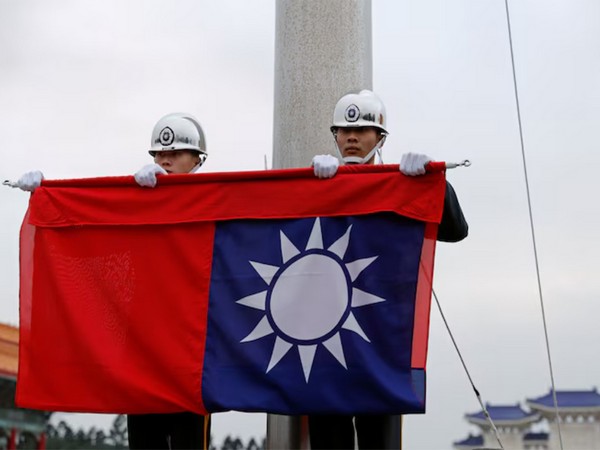
Taipei [Taiwan], January 30: Taiwan has completed its first underwater test of its domestically developed submarine, with expectations of commissioning at least two of these submarines by 2027.
Taiwan 's domestically produced submarine program is a key part of its defense modernization plan , amid China's ongoing large-scale military exercises around the island, according to Reuters on January 30.
This project, which leveraged expertise and technology from multiple parties, including the US and the UK, is considered a significant breakthrough for Taiwan.
On January 29, CSBC Shipbuilding Corporation (Taiwan) - the lead contractor for the project and planning to build a total of eight submarines - announced that the first vessel, named Narwhal, had completed its first underwater sea trials. According to CSBC, the submarine conducted "underwater navigation tests in shallow waters" off the coast of Kaohsiung port in southern Taiwan.
" Submarines are a crucial strategic capability with high deterrent value," CSBC emphasized in a statement following the test.
According to the original plan, the Narwhal submarine was to be delivered to the Taiwanese navy in 2024, supplementing its existing fleet of two submarines purchased from the Netherlands in the 1980s. However, the program has been delayed.
CSBC stated that Taiwan's domestic submarine project has faced numerous challenges due to "constraints in the international environment and pressure from China."
The Taiwanese government expects to commission at least two domestically developed submarines by 2027, potentially equipping later versions with missiles. The first vessel, costing approximately 49.36 billion New Taiwan Dollars (equivalent to 1.58 billion USD), utilizes a combat system supplied by Lockheed Martin and is equipped with US-made Mark 48 heavy torpedoes.
In recent years, Taiwan has focused on modernizing its defenses in the direction of "asymmetrical conflict," prioritizing mobile and flexible systems such as submarines, drones, and truck-mounted missiles to counter adversaries with superior size.
In November 2025, Taiwanese leader Lai Ching-te announced that his administration would allocate an additional $40 billion to the defense budget.
Source: Thanh Nien Newspaper